
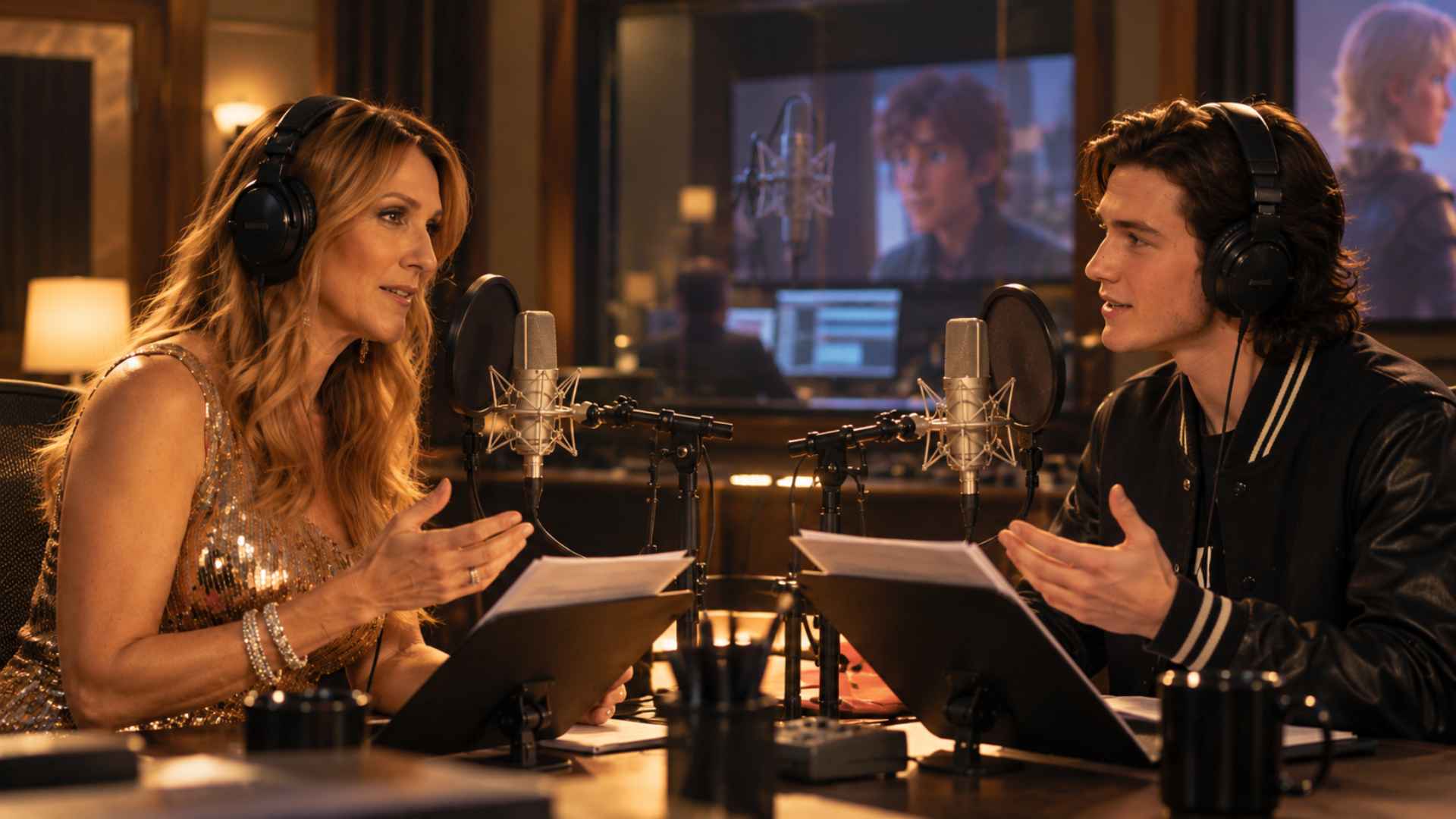
Every memorable story begins with an idea, but its true magic often emerges when words are brought to life through sound. A carefully delivered line, a subtle change in tone, or a heartfelt expression can transform a simple script into an unforgettable experience. Across animation, audiobooks, video games, films, and digital entertainment, voice acting plays an essential role in helping audiences connect with fictional worlds. It gives personalities to imaginary figures, adds emotional depth to dialogue, and creates moments that remain meaningful long after a story ends.
Behind every convincing character is a voice that communicates more than the written words alone. The rhythm of a sentence, the warmth of a laugh, and the hesitation before a difficult confession can reveal motivations that might otherwise remain hidden. As entertainment continues to evolve, professional voice talent has become increasingly valuable in shaping immersive storytelling experiences. By combining vocal expression with creativity and technical skill, voice actors turn written characters into believable personalities and make stories feel closer to real life.
The Art of Transforming Voices Into Living Characters
Voice acting is much more than reading dialogue aloud. It requires performers to understand a character’s background, personality, emotional state, and purpose within the story. A confident hero may speak with clarity and determination, while a nervous sidekick might use a faster rhythm, uncertain pauses, or a softer tone. These vocal differences help audiences recognize individual personalities without relying on visual descriptions. Through thoughtful interpretation, voice actors give each character a distinctive identity that supports the narrative and strengthens the audience’s emotional connection.
Creating an authentic performance also requires flexibility and careful observation. Actors often experiment with pitch, pacing, accent, pronunciation, and vocal texture until they find a sound that suits the role. However, technical choices must always serve the character rather than distract from the story. A believable performance emerges when every vocal detail feels natural within the fictional world. This balance between imagination and control allows voice talent to portray a wide range of personalities, from playful animated creatures to complex dramatic figures, while maintaining the emotional truth that makes a performance memorable.
How Voice Acting Shapes Emotional Storytelling
The emotional power of a story often depends on how its characters express themselves. A single sentence can communicate affection, disappointment, excitement, or fear simply through changes in delivery. When voice actors understand the emotional context behind a scene, they can make dialogue feel spontaneous rather than rehearsed. Their performances guide audiences through important moments, helping them understand a character’s intentions and recognize the significance of personal struggles. This emotional dimension makes voice acting an essential part of storytelling across different genres and entertainment formats.
Building Immersive Worlds Through Sound and Performance
An engaging fictional world needs more than an interesting setting or compelling plot. It also needs voices that make its environment feel consistent and believable. In animated productions, distinctive vocal performances help establish the atmosphere of imaginary cities, magical kingdoms, and futuristic landscapes. In video games, character dialogue can respond to changing situations, creating a stronger sense of participation. Audiobooks use vocal variety to distinguish speakers and maintain narrative momentum, allowing listeners to imagine scenes through sound alone. When dialogue, sound design, and performance work together, audiences can become deeply involved in the experience.
Developing Distinctive Character Voices With Purpose
A distinctive character voice begins with a clear understanding of who the character is and how that personality influences communication. Voice actors may consider age, social background, confidence, habits, and emotional tendencies before choosing a vocal approach. A curious child might speak with energetic curiosity, while an experienced detective could communicate through measured sentences and controlled intensity. These choices should remain consistent while allowing room for emotional development. By connecting vocal characteristics to meaningful personality traits, performers create recognizable voices that support character development instead of relying on exaggerated impressions.
The Importance of Emotion, Timing, and Vocal Expression
Timing can be just as important as the words themselves. A brief pause before a revelation can create suspense, while a carefully timed laugh can make a humorous scene feel effortless. Emotional expression also depends on subtle changes in breathing, emphasis, volume, and rhythm. Skilled voice actors understand when to deliver a line with intensity and when a quieter performance can communicate more. They also pay attention to the reactions of other characters, ensuring that conversations feel connected rather than isolated. These details create natural dialogue and allow audiences to experience a story’s emotional shifts more convincingly.
Technology and Creativity in Modern Voice Production
Modern recording technology has expanded the possibilities of voice acting, making it easier for performers, directors, and sound engineers to collaborate across different locations. High-quality microphones, digital recording software, and remote production tools support efficient workflows while preserving vocal detail. Artificial intelligence and synthetic speech have also introduced new conversations about creativity, consent, and the value of human performance. Despite these developments, expressive interpretation remains central to compelling character work. Technology can support production, but meaningful storytelling still depends on understanding emotion, intention, and the subtle qualities that make a voice feel personal and authentic.
Why Professional Voice Talent Matters in Modern Entertainment
Professional voice talent contributes far more than clear pronunciation or an attractive speaking voice. Experienced performers understand how to interpret scripts, maintain character consistency, respond to direction, and adjust their delivery to fit different audiences. Their work can strengthen brand identities in advertising, make educational content more approachable, and bring fictional personalities to life in entertainment. Businesses also rely on voiceovers to communicate information with clarity and establish a recognizable tone. Whether the goal is to entertain, inform, or inspire, a well-matched voice helps messages feel more engaging and easier to remember.
As digital platforms continue to expand, the demand for versatile voice performances is growing across animation, podcasts, games, online videos, and interactive media. Audiences increasingly expect characters to sound believable and stories to feel emotionally engaging, regardless of the platform they use. This creates opportunities for performers who combine vocal technique with adaptability, storytelling awareness, and professional collaboration. Ultimately, the strongest voice performances are those that make listeners forget they are hearing a recording and encourage them to connect with the character behind the words. When voices carry genuine emotion and purpose, stories become more than sequences of dialogue. They become living experiences that inspire imagination, strengthen human connection, and remain with audiences long after the final line.