
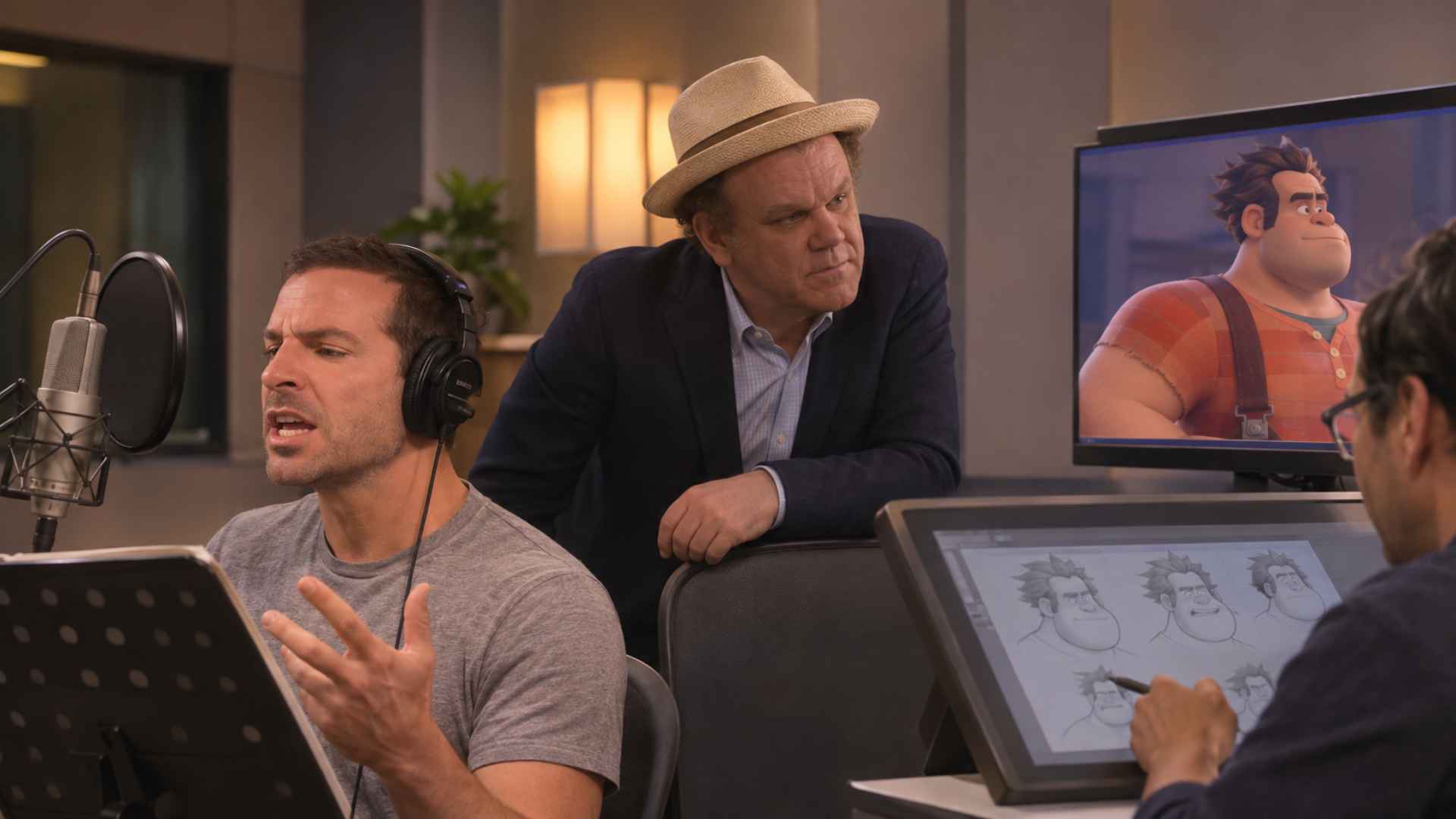
Animation has always relied on vibrant visuals and fluid motion to capture our attention. Yet the true magic happens the moment a drawing opens its mouth and speaks. Giving animated characters a voice of their own transforms simple sketches into living personalities that audiences care deeply about. Without sound, even the most beautifully designed character remains a silent puzzle on the screen.
Voice acting bridges the gap between imagination and reality in the animation world. Talented performers infuse every line with emotion, quirks, and hidden depths that writers might not have even planned. This collaborative creative process turns flat animation cells into unforgettable icons. When a voice matches a character perfectly, the audience forgets they are watching cartoons and starts believing in real people.
The Art of Casting the Perfect Vocal Talent
Finding the right voice for an animated character requires patience and deep intuition. Casting directors listen to hundreds of auditions to catch that specific texture that matches a visual design. A booming voice might suit a giant monster, but adding a gentle stutter can make that same monster endearing. Every nuance in speech shapes how viewers perceive the personality and motives of the character.
Once selected, voice actors spend hours in recording booths bringing scripts to life through sheer vocal expression. They have to convey joy, sorrow, and anger using only their vocal cords and microphones. Animators then study these vocal tracks to match facial expressions and lip movements precisely. This close teamwork ensures that the performance feels completely authentic and emotionally resonant.
Shaping Personality Through Vocal Quirks and Accent Choices
Voices do more than just deliver dialogue because they define a character’s entire background. Accents, dialects, and speech patterns instantly tell us where someone comes from and how they view the world. A quick tempo might show a nervous personality, while a slow drawl suggests a relaxed attitude. These subtle vocal choices help build rich fictional worlds without needing long exposition scenes.
Voice actors often experiment with pitch and tone to make each character distinct and memorable. They might invent a funny laugh or a unique vocal tic that becomes iconic over time. These small details stick in the minds of viewers long after the movie ends. When fans quote their favorite animated lines, they are usually mimicking those exact vocal quirks and accents.
How Iconic Voices Define Animation History
Certain voice performances have left permanent marks on popular culture and entertainment history. Think of legendary voice actors who breathed life into dozens of famous heroes and villains over the decades. Their work proved that vocal performance is just as important as physical acting in traditional cinema. These voices become the sonic soundtrack of childhood for millions of fans around the globe.
As animation technology continues to evolve, the role of voice acting remains as vital as ever. Modern digital tools can alter sounds in fascinating ways, but human emotion remains the irreplaceable core of great storytelling. Writers and directors will always rely on skilled performers to give animated figures their beating hearts. Ultimately, the voice is the true anchor that makes animation feel timeless and real.