
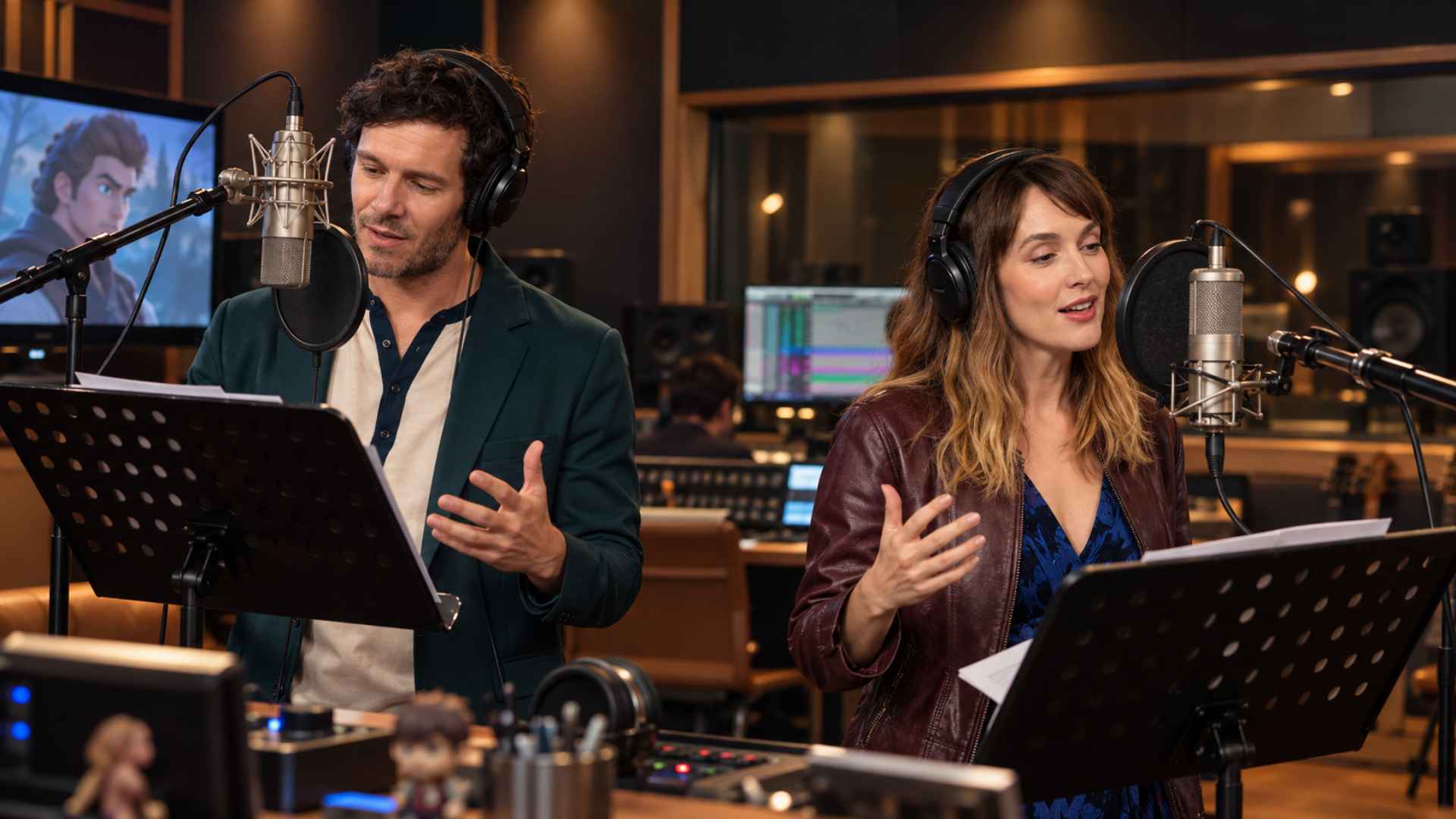
Every memorable character has a unique way of speaking that makes audiences recognize their personality, emotions, and intentions. From the confident tone of a fearless hero to the gentle voice of a shy child, vocal expression plays an essential role in bringing fictional characters to life. In film, animation, television, and video games, the right voice can transform a simple script into an engaging performance that feels natural and believable. This is where the art of dubbing becomes especially important, allowing voice actors to create distinctive personalities through carefully controlled vocal techniques.
Finding a character voice requires more than changing pitch or imitating an existing performance. It involves understanding the character’s background, motivations, emotional development, and relationships with others. Through effective dubbing, voice actors can communicate these details while maintaining the original meaning and atmosphere of a production. By combining vocal creativity, emotional awareness, and technical precision, performers can develop a character voice that resonates with audiences and makes every line of dialogue feel authentic.
Understanding The Character Before Developing A Voice
The first step in creating a convincing character voice is understanding who the character is beyond the written dialogue. Voice actors need to examine the character’s personality, age, social background, emotional habits, and personal experiences. A confident business leader, for example, may speak with controlled pacing and firm articulation, while an anxious teenager might use a faster rhythm, hesitant pauses, and a less stable tone. These differences help establish a believable identity before the recording process even begins. Careful character analysis also prevents performances from becoming exaggerated or repetitive.
Context is equally important when interpreting a script for dubbing. A character who sounds cheerful in one scene may become defensive, frightened, or emotionally vulnerable in another. Rather than maintaining the same vocal pattern throughout the production, actors must recognize how situations influence the way a character communicates. Reading the script alongside visual references can reveal subtle clues about facial expressions, physical movement, and relationships that affect vocal delivery. This preparation creates a strong foundation for a performance that remains consistent while allowing the character to grow naturally throughout the story.
Building A Distinctive Voice Through Vocal Techniques
Developing a unique character voice involves experimenting with several vocal elements, including pitch, resonance, tone, rhythm, and articulation. Pitch influences how high or low a voice sounds, while resonance affects its perceived depth and richness. Rhythm and pacing shape the character’s conversational style, helping distinguish someone who speaks thoughtfully from someone who reacts impulsively. Actors can experiment with these elements during rehearsal to identify combinations that suit the character without placing unnecessary strain on their voices.
Connecting Vocal Expression With Emotional Authenticity
A technically accurate voice means little if it fails to communicate genuine emotion. In dubbing, emotional authenticity comes from understanding what a character wants, fears, or struggles to express in each moment. A quiet sentence may communicate disappointment more effectively than a loud outburst, while a brief hesitation can suggest uncertainty or hidden affection. Voice actors should focus on the intention behind every line rather than simply reproducing the words on the page. When vocal choices reflect the character’s emotional circumstances, audiences are more likely to connect with the performance.
Using Pitch And Tone To Shape Personality
Pitch and tone are valuable tools for establishing a recognizable character voice. A naturally low, steady tone might support a character who appears authoritative, while a lighter, more flexible tone could suit someone playful or curious. However, these associations are not fixed rules, and effective performances often challenge familiar expectations. A physically imposing character may speak softly to reveal sensitivity, while a seemingly friendly character might use a controlled, cold tone when hiding an ulterior motive. Exploring these contrasts helps actors create multidimensional personalities instead of relying on predictable vocal stereotypes.
Controlling Pace, Pauses, And Pronunciation
The way a character delivers dialogue can reveal just as much as the sound of the voice itself. Rapid speech may suggest excitement, nervousness, or impatience, whereas deliberate pacing can communicate confidence, caution, or sadness. Pauses also create opportunities for audiences to interpret unspoken feelings, particularly during emotional conversations. Pronunciation, accent, and articulation contribute additional layers of identity, helping establish a character’s environment and communication habits. When used thoughtfully, these techniques make dialogue sound spontaneous and meaningful while preserving clarity for the audience.
Maintaining Consistency Across Every Recording Session
Consistency is essential when a character appears in multiple scenes, episodes, or installments. Voice actors must remember the character’s established pitch, accent, speaking rhythm, and emotional tendencies while adapting to changing circumstances. Keeping recording notes and reviewing previous takes can help maintain these qualities throughout a production. At the same time, consistency does not mean delivering every line identically. The character’s core vocal identity should remain recognizable while emotional intensity, pacing, and tone evolve according to the story. This balance allows the performance to feel cohesive rather than mechanically repeated.
Adapting Character Voices To The Demands Of Dubbing
Unlike voice performances created without visual restrictions, dubbing often requires actors to match dialogue with an existing production. Lip movements, scene duration, gestures, and facial expressions can influence the timing and delivery of every line. In some projects, particularly animated films and international releases, performers must also work within the emotional style established by the original actors. This requires careful listening, close observation, and flexible vocal control. A successful performance respects these constraints while still allowing the actor to bring an individual interpretation to the character.
Language adaptation introduces another important consideration. Translating dialogue directly does not always preserve its natural rhythm, humor, or emotional impact in another language. Dubbing professionals must deliver lines that sound authentic to the target audience while maintaining the original scene’s intention. Voice actors may need to adjust emphasis, pauses, or phrasing to accommodate differences in sentence structure and lip synchronization. Collaboration with directors, translators, and sound engineers helps ensure that these adjustments support the overall production. The goal is not simply to replace one voice with another, but to recreate the character’s presence in a way that feels seamless.